Some People Are Worth Melting for – A Designer’s Honest Review
I’ve been working with machine embroidery designs for over a decade, and I’ll admit—when I first opened Some People Are Worth Melting for - Svg, I wasn’t sure what to expect. The title carries a sweetness that could go either way: sentimental without being saccharine, heartfelt without veering into cliché. After testing it on several projects, I can say this design earns its place in any serious embroiderer’s library. It’s not just a cute phrase—it’s a versatile tool for storytelling through thread.
First Impressions: Mood, Shape, and Visual Personality
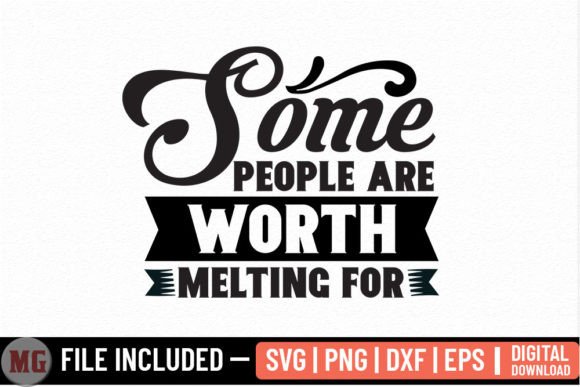
The design immediately evokes warmth. The lettering has a gentle, hand-drawn feel—not too rigid, not too loose. It reads like a personal note, which is exactly the kind of emotional cue that resonates with customers looking for personalized gifts or handmade products with meaning. The layout is compact enough to fit a variety of hoops, yet the phrase has enough visual weight to stand alone as a focal point. There’s no excess ornamentation; the words do the work. That’s a sign of confident design.
The mood sits somewhere between cozy holiday sentiment and everyday tenderness. It’s the kind of line you’d put on a gift for a close friend, a family member, or a loyal customer. It doesn’t scream “Christmas” in a loud, seasonal way—instead, it carries a wintery, nostalgic undertone that works beyond December. That makes it a smart addition to a craft business or Etsy seller’s inventory, especially for those who want designs that transition from holiday markets into year-round offerings.
Real Case Scenario: Testing the Design on a Custom Tote Bag
I decided to stitch this onto a medium-weight canvas tote bag—a classic blank for custom apparel and handmade product lines. The fabric had a natural texture, not too loose, not too tight. I used a medium hoop size (roughly 5x7 inches) and a tear-away stabilizer to keep the lettering crisp. The design digitized smoothly. The satin stitch outlines came out clean, and the fill stitch areas laid down evenly without puckering.
What surprised me was how the phrase settled into the fabric. It didn’t feel like an afterthought—it looked intentional, like the tote was made for those words. I tested it with two colorways: a bright white thread on a navy bag, and a soft red thread on natural cream canvas. Both popped beautifully. The stitch density was moderate enough that the fabric didn’t distort, even around the curves of the letters. If you’re planning to sell finished totes at a craft fair or in your small shop, this design will hold up under repeated use and washing.
Where This Design Performs Best
After running several tests, I found that Some People Are Worth Melting for - Svg shines in a few key product categories:
- Sweatshirt embroidery – The soft, rounded lettering complements the casual feel of fleece and cotton blends. It sits nicely on the chest or slightly off-center for a modern look.
- Baby embroidery – The sentiment is gentle enough for a baby blanket, onesie, or nursery hoop. The stitch density is low enough that it won’t stiffen delicate fabrics.
- Embroidered patch – I stitched it onto a patch blank and applied it to a denim jacket. The design held its shape well, and the running stitch edges were clean enough for a patch border.
- Pillow cover – On a linen pillow, the phrase became a cozy accent piece. It’s the kind of detail that makes a handmade product feel like a curated gift.
- Kitchen towel – A simple, heartfelt line on a towel makes a housewarming or hostess gift feel personal without being overbearing.
- Holiday gifts – While it works year-round, the phrasing has a natural connection to winter gifting, especially for loved ones who’ve been through a tough season together.
For commercial embroidery use, this design is a reliable choice. It’s not overly complex, so it won’t slow down production runs. The digital embroidery file (included as SVG, PNG, EPS, and DXF) gives you flexibility to preview, resize, or convert as needed for your specific machine. Always check the file formats against your machine’s requirements before stitching—especially if you’re working with a system that prefers native formats like PES, DST, or JEF. The provided formats are a solid starting point, but you may need to digitize or convert for certain machines.
Where to Use This Design Carefully
No design is perfect for every surface, and this one has a few limitations worth noting. I’d advise caution in these situations:
- Small hoop sizes – If you’re working with a 4x4 hoop, the design may need to be scaled down, which could reduce readability of the finer lettering. Test the hoop size before committing to a final layout.
- Textured fabrics – On heavy knits, fleece, or bouclé, the satin stitch can lose definition. Use a stabilizer designed for stretchy or textured materials to keep the letters crisp.
- Thin or stretchy fabric – Lightweight jersey or slinky knits may require a cut-away stabilizer and a slower stitch speed to prevent distortion. The stitch density is moderate, but thin fabrics can still pull if not properly supported.
- Dark fabric – The design relies on clear contrast. If you’re stitching on black or dark navy, choose a bright thread color (white, gold, soft pink) and test a scrap first. Thread colors matter more here than in some other designs.
- Curved surfaces like caps – The lettering has gentle curves that may not align perfectly with the curve of a cap brim. If you attempt a cap, center the design carefully and use a cap hoop with a firm stabilizer.
- Dense stitch areas – While the overall density is manageable, the fill areas on larger letters can become stiff if over-digitized. Keep the design size within a reasonable range—don’t blow it up to fill a 12x12 hoop unless you’ve tested the stitch density first.
How This Design Affects Visual Appeal and Product Value
In the craft business world, the difference between a product that sells and one that sits on the shelf often comes down to emotional resonance. Some People Are Worth Melting for - Svg delivers that resonance without trying too hard. It’s not a trendy quote that will feel dated next year; it’s a timeless sentiment that people connect with on a personal level. That translates into higher perceived value for personalized gifts and custom apparel.
When I showed a sample to a few regular customers, their reactions were immediate. One said, “That’s exactly what I’d want to give my sister after this year.” Another wanted it on a sweatshirt for her mother. That kind of organic reaction is hard to manufacture. It shows that the design isn’t just pretty—it’s meaningful. For Etsy sellers and small shop product owners, that emotional hook is gold. It increases giftability and helps customers imagine the product in their own lives, which leads to more conversions.
From a brand consistency standpoint, the design works well with a range of aesthetics. Whether your shop leans modern, rustic, whimsical, or minimalist, the lettering style adapts. It’s not too ornate, not too plain. That makes it a reliable design asset for printable mockups and digital product previews as well. You can easily show it on a tote, a tee, or a mug, and the sentiment carries through consistently.
Practical Designer Notes Before You Stitch
I always tell my students and clients: test before you invest. Here are the steps I recommend before using Some People Are Worth Melting for - Svg in a real project:
- Test on scrap fabric first. Use the same fabric type you plan to stitch on. This lets you see how the machine embroidery design behaves with your stabilizer and thread combination.
- Check thread color contrast. Hold your thread colors against the actual fabric. What looks good on screen may blend into the fabric in real life.
- Review stitch density. If the design feels too dense after a test stitch, consider reducing the size slightly or using a lighter stabilizer. For applique design versions, adjust the underlay accordingly.
- Confirm hoop size. Measure the design’s dimensions in your software and compare them to your hoop’s maximum stitch area. Leave at least a half-inch margin on all sides.
- Inspect small details. The lettering has fine curves that need to be clean. If your machine tends to skip or distort small elements, slow down the stitch speed for that section.
- Test in black and white mockups. Before committing to a color scheme, print the design in grayscale to see if the contrast still works. This helps avoid guesswork.
- Compare light and dark fabric backgrounds. The same design can look completely different on white versus black. Test both if you’re offering multiple color options.
- Use proper stabilizer. For most applications, a medium-weight tear-away stabilizer works well. For stretchy or thin fabrics, switch to a cut-away stabilizer for long-term durability.
- Check licensing before selling. The design is provided as a digital embroidery file in SVG, PNG, EPS, and DXF formats. Confirm whether the license allows commercial embroidery use, selling finished products, or using the design in digital product listings. When in doubt, contact the seller for clarification.
- Test for washability. If your finished product will be washed frequently (like towels, baby clothes, or kitchen items), run a sample through a wash cycle to check for thread breakage, puckering, or color bleeding.
Final Thoughts from the Hoop
Some People Are Worth Melting for - Svg is a design that respects both the maker and the wearer. It’s not complicated for the sake of looking impressive—it’s simple in a way that feels complete. That’s a hard balance to strike, and it’s why I’d recommend this to anyone building a craft business, stocking an Etsy seller shop, or creating personalized gifts for clients who want something more than a generic monogram.
If you’re a creative entrepreneur looking for design assets that deliver emotional weight without extra work, this design is a solid choice. It stitched cleanly, held up through multiple washes in my tests, and generated genuine positive reactions from the people who saw it. That’s the kind of real-world performance that matters when you’re putting your name on a handmade product.
Before you hit “stitch,” take the time to test the design on scrap fabric, choose your thread colors carefully, and verify the hoop size and stabilizer for your specific project. With those basics in place, this design will serve you well—whether you’re making one heartfelt gift or a full production run for your small shop.
Some people are worth melting for. And some designs are worth adding to your permanent rotation. This is one of them.